
Nonprofits run on small teams doing a great deal. The same few people write grants, run programs, track outcomes and report to funders. Much of that work repeats every week, which is where AI can give time back, but working out how is rarely anyone's job.
AI for Good is how we help. Through CoPilot Innovations, our AI company, we coach nonprofit leaders on AI and build working tools for their teams. Two organizations show what that looks like in practice.
Urban Arts
Urban Arts is a nonprofit that brings art and creative technology education to young people, and it is growing into workforce development. Our work together started with Urban Arts 100, a paid fellowship for young makers. We created the brand, application experience and launch system for the program, which will bring its first 25 Fellows together.
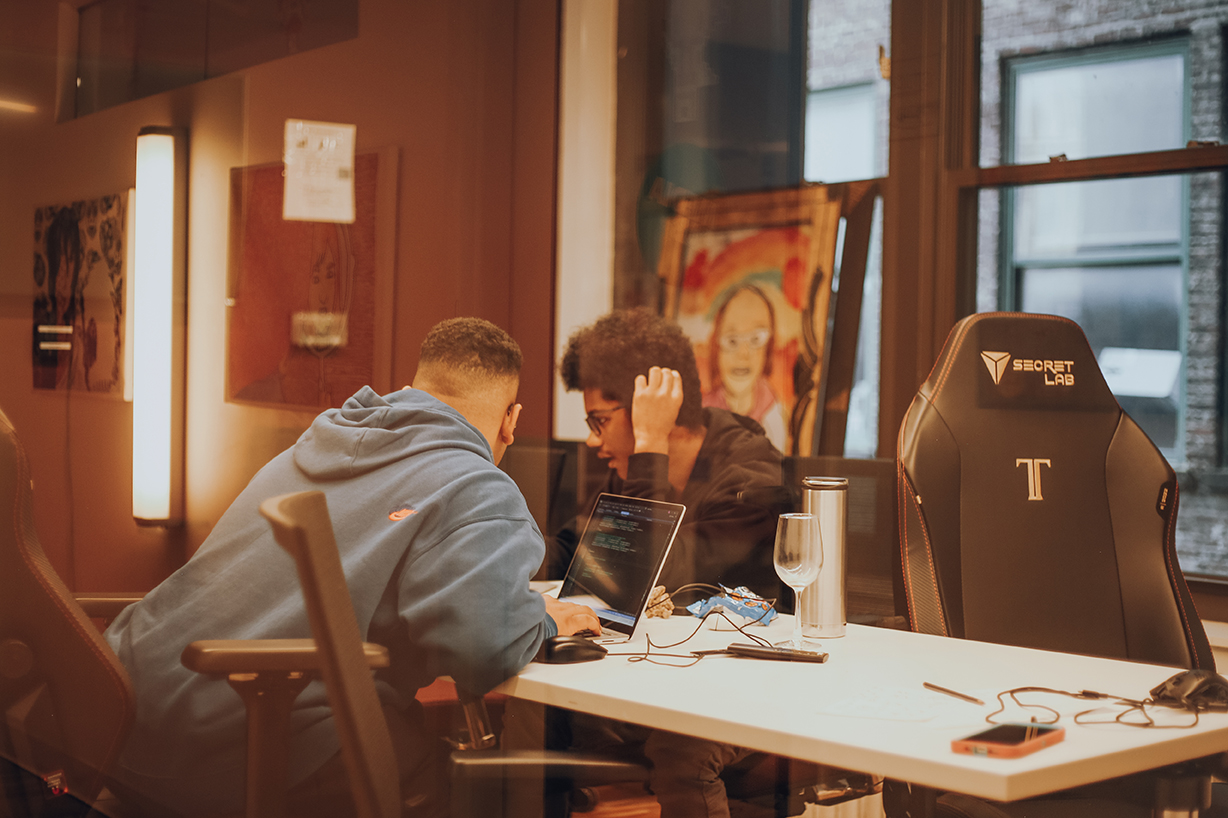
Alongside the fellowship, we work with the Urban Arts team on five AI initiatives, each owned by a staff member. Some are prototypes and some are still being planned, all aimed at the everyday jobs that keep a nonprofit funded and running:
- Finding funders. A regular view of promising funding opportunities across foundations, companies, government and individual giving, so the development team can spend its time on the best fits.
- Drafting grant applications. Workflows for foundation and government grants, designed to produce grounded first drafts for the grant writer to shape.
- Making program data useful. A plan for a cleaner data foundation for the Game Academy program, with dashboards that surface what the team should look at next.
- Keeping programs on track. An AI program coordinator, in progress, connected to the team's workspace to gather status updates, track activity and capture ideas and feedback.
The work runs through weekly office hours and regular check-ins with the people who own each process. Every tool is shaped by the person who will use it, which is also the best way to make sure it gets used.
Habitat for Humanity East Central Ohio
Habitat for Humanity East Central Ohio works with volunteers and families to build homes in its region. Our work with Habitat started with its leadership team.
Before we met, the team answered a short survey, so the session could start from their own answers. Then we ran an AI leadership workshop for the leadership team, built around examples from their own work.
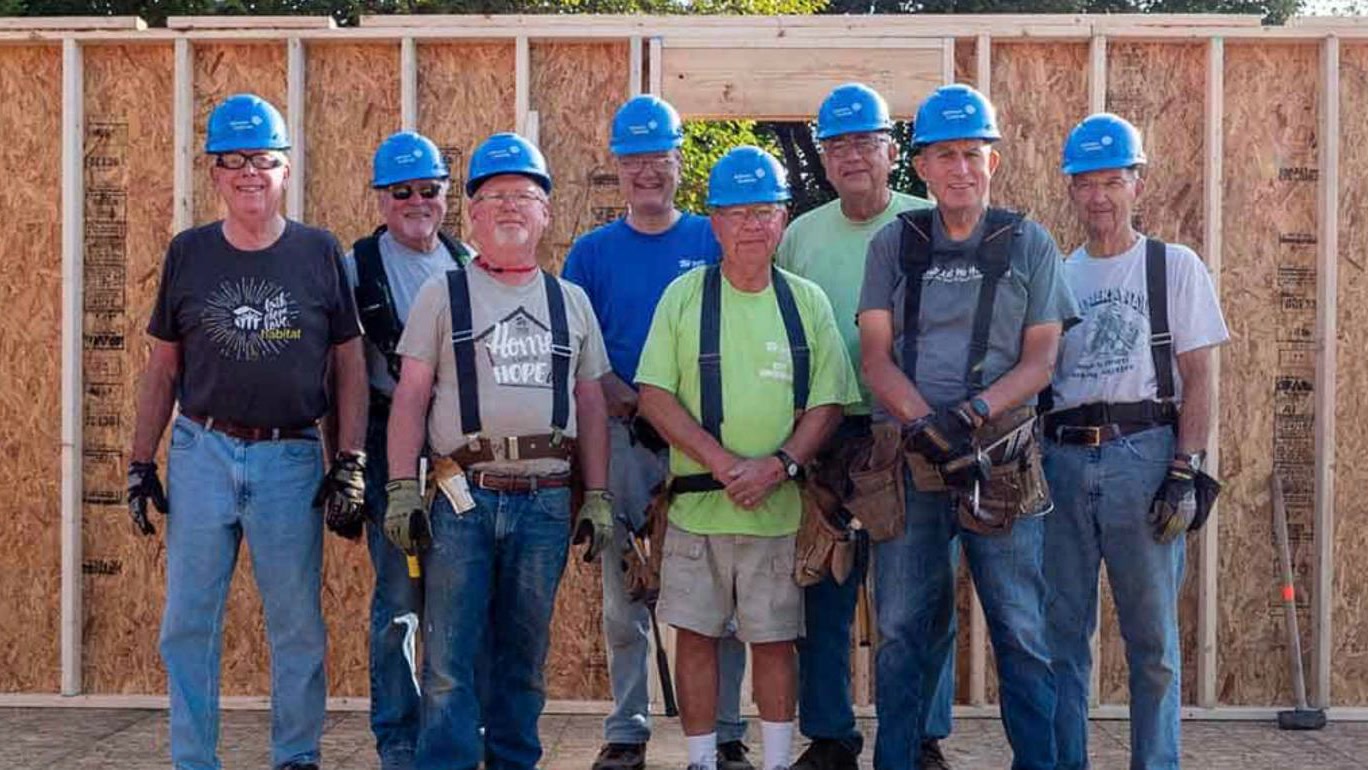
After the workshop we delivered an opportunity report showing where AI can give staff time back, along with a working demo. The report gives leaders a clear list to choose from, so the next step is their decision, made on their priorities.
How we approach it
The two engagements look different, but they follow the same few habits.
- Start with people. Leaders who understand AI make better calls about where to use it. Both engagements began with conversations and coaching, before any tool was built.
- Begin where the time goes. Grant writing, funder research, reporting and coordination come back every week. That makes them the first places to look.
- Keep people in charge. AI drafts, sorts and summarizes. The grant writer, the program lead and the executive director still decide.
- Build small, working things. A tool the team uses every week does more good than a strategy nobody has time to act on.
The goal is simple: more of a nonprofit's time spent on its mission.
Why we do it
Our commercial clients get AI coaching and working tools because those things change how their teams spend the day. Nonprofits deserve the same, and their missions benefit directly when staff get hours back. AI for Good lets us bring what we learn across our client work to the organizations doing some of the most important work in their communities.
Working with us
If you lead a nonprofit and want to explore what AI could do for your team, we would like to hear from you. See our nonprofit work, read about CoPilot Innovations, or start a conversation.
Written by The Plum Tree Group, November 2026.
All insights →